
TL;DR
- AI referral traffic can convert better than Google search. ThoughtMetric measured 6.7% for ChatGPT versus 3.9% for Google across 100 ecommerce stores, and Adobe found AI-referred retail visits converted 42% better than non-AI visits.
- Visitors arrive further along in their decision. Much of the comparing and narrowing down now happens inside the conversation, before the click.
- The advantage is strongest for complex products. A peer-reviewed study of 973 ecommerce sites found ChatGPT traffic beat organic search only where buyers needed help choosing.
- Small share, outsized impact. At Ahrefs, AI search brought 0.5% of visitors but 12.1% of signups, and Adobe measured 393% year-over-year growth in AI referrals.
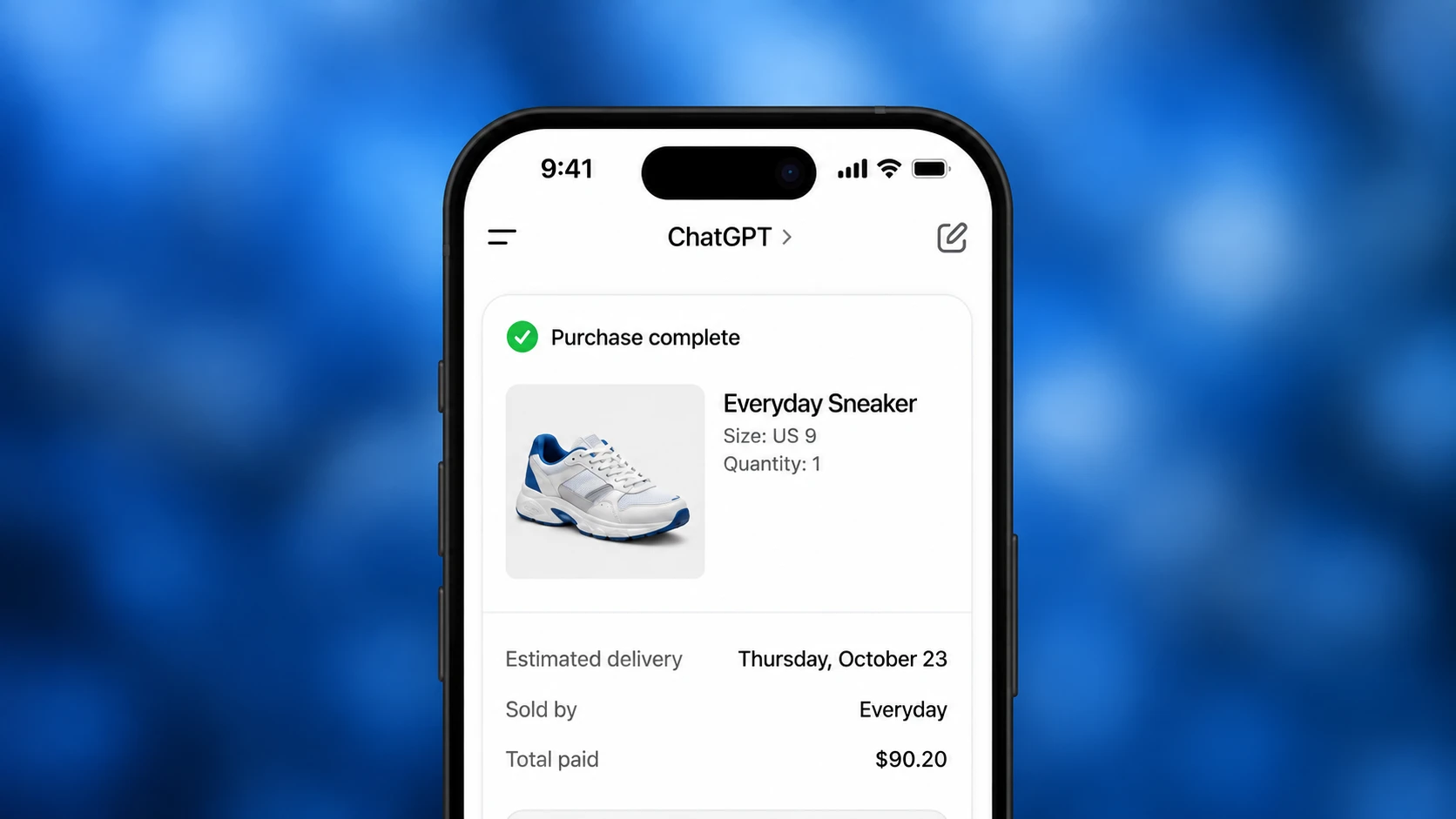
By the time someone clicks through from ChatGPT, they may have already compared your product with three alternatives, checked whether it fits their budget, and asked about its drawbacks.
Your website is meeting them halfway through a buying decision.
That helps explain why AI referral traffic can convert better than Google search traffic. Some of the research that usually happens across product pages and browser tabs can now happen inside a conversation.
The numbers are encouraging. They also deserve a closer look.
Does ChatGPT traffic actually convert better than Google?
In some studies, substantially.
ThoughtMetric analyzed 100 ecommerce stores in May 2025 and reported an average purchase conversion rate of 6.7% for ChatGPT traffic versus 3.9% for Google Search. That’s roughly a 72% higher conversion rate in that sample.
Other research has found even larger differences, although it measured different outcomes:
| Research | Reported result | What it measured |
|---|---|---|
| Seer Interactive | ChatGPT: 15.9%, Google organic: 1.76% | Tracked conversions on one client’s website, October 2024–April 2025 |
| Ahrefs | AI search visitors converted at 23× the rate of organic search visitors | Signups on Ahrefs’ own website, during a 30-day period reported in June 2025 |
Sources: Seer’s client case study, Ahrefs’ signup analysis.
Those last two findings aren’t universal purchase benchmarks. A signup isn’t a sale, and one website isn’t the whole market. But they show why a small stream of AI visitors can deserve serious attention.
More recent retail data adds weight to the case. Adobe reported that AI-referred visits to U.S. retail websites converted into purchases 42% better than non-AI visits in March 2026. Its analysis covers more than a trillion retail visits. That comparison includes multiple non-AI channels, rather than Google alone.
Why can AI visitors arrive more ready to buy?
Here, “AI visitors” means people following links from an AI assistant. Their potential advantage comes from what happens before the click.
Imagine someone looking for a coffee machine. They might start with “best espresso machine,” then work through reviews, specifications and prices.
In a ChatGPT conversation, they could explain:
“I want an espresso machine under $600. My kitchen is small, I make two coffees a day, and I don’t want something complicated to clean.”
Then they can ask follow-up questions. Which model fits? What would they give up by choosing the cheaper one? Does it need a separate grinder?
If they eventually click a product link, several buying questions may already be settled.
This is a plausible explanation for stronger conversion, rather than proof that AI causes it. ThoughtMetric offers a similar hypothesis: the conversation helps visitors clarify their needs before arriving.
For a brand, that can mean less work explaining who the product is for. The visitor already has a reason to consider it.
Google also sends people who are ready to buy, especially through specific product searches. The useful distinction is how much evaluation someone has completed before reaching you.
The advantage is strongest when buyers need help choosing
There’s a catch: AI traffic doesn’t outperform everywhere.
A peer-reviewed study by Kaiser and Schulze in Marketing Science (2026), covering 973 ecommerce websites and using data from August 2024 through July 2025, found that ChatGPT referrals converted below most established channels overall, including organic search.
But on websites selling complex products, the result changed: ChatGPT traffic converted better than organic search, email, direct traffic and several other channels.
That makes the opportunity more specific. When a purchase involves compatibility, trade-offs or unfamiliar specifications, a conversation can help someone reach a decision.
These studies cover different periods, businesses and measurement methods. Together, they support investing in AI visibility and measuring the results. They don’t support promising every business a 9× sales lift.
Why AI referral traffic matters even while it’s small
It’s easy to overlook a channel that barely registers in your traffic report.
Ahrefs’ example shows the problem with that approach: AI search supplied just 0.5% of visitors but 12.1% of signups during its reported 30-day period.
The channel is also growing. Adobe measured a 393% year-over-year increase in AI referrals to U.S. retail sites in the first quarter of 2026.
For brands, getting recommended creates a chance to enter the buyer’s shortlist while they’re still choosing.
That makes AI visibility worth tracking alongside Google rankings. How often does your brand appear? For which buying questions? Which competitors get recommended instead?
How to attract more qualified AI traffic
Answer engine optimization, or AEO, means making your business information easier for AI answer engines to find, understand and use.
Start with the questions customers ask before purchasing:
- Explain who each product suits. Include specific use cases, compatibility and limitations.
- Make comparisons useful. Help buyers understand when to choose one option over another.
- Keep buying details clear. Pricing, specifications, delivery and returns should be easy to find.
- Measure what happens after the click. Track purchases and revenue per visit. For lead generation, follow leads through to qualified opportunities and closed sales.
These are practical starting points, not a guarantee of recommendations. The complex-product research specifically recommends readable, citable product content and tracking AI referrals.
A higher conversion rate is promising. The real test is whether those visitors become valuable customers.
Visibly AI helps you see where your brand appears in ChatGPT and Gemini answers, which competitors show up, and what to improve.
Start with the buying questions that matter to your business. Find out whether your brand is part of the answer.
Sources
- ThoughtMetric: The conversion advantage — why ChatGPT traffic outperforms Google Search for ecommerce
- Seer Interactive: 6 learnings about how traffic from ChatGPT converts
- Ahrefs: How AI search traffic converts on Ahrefs’ website
- Adobe: AI traffic surge to U.S. retail sites (April 2026)
- Kaiser and Schulze, Marketing Science (2026): ChatGPT referrals to ecommerce websites